

Menstrual Cycle
Your period is not something to push through.
It is a monthly reset and a reminder to listen.
In Traditional Chinese Medicine, the menstrual cycle is seen as a monthly rhythm of renewal. Each monthly cycle reflects the body's ability to build, nourish, release and begin again. Rather than something to manage or endure, it is understood as a vital sign of balance, energy and overall health. For women experiencing menstrual irregularities — whether that is irregular or absent periods, painful cramping, heavy bleeding, PMS or cycle-related fatigue — Traditional Chinese Medicine offers a range of holistic treatments that work with the body's natural rhythm to restore balance and ease.
At NRQi Studio in Winchmore Hill, North London, treatments including acupuncture, Tui Na massage, electro-acupuncture and auricular acupuncture are used alongside tailored nutritional and lifestyle guidance to address the underlying imbalances that contribute to menstrual irregularities. Each treatment plan is individually tailored to your unique constitution, symptoms and cycle pattern.
As hormones rise and fall across the month, Yin and Yang move in a natural rhythm — shifting from building and energising to releasing and restoring. Cramps, fatigue, mood shifts and headaches are often signs that the body is asking for more support and a gentler rhythm. Through acupuncture, nourishment and self-kindness, women and girls can experience their cycle with more ease, steadiness and confidence — feeling more comfortable in their bodies and more in tune with their natural pattern.
Download your free NRQi Studio Menstrual Cycle Guide below.
Download and print the NRQi Studio Period Tracker below.
Complete the chart and bring it with you to your appointments.
This enables me to have a very clear understanding of how I can support you & your cycle.
Let’s Talk About Your Menstrual Cycle: The Vocabulary
-
The words below are commonly used by doctors, schools, and health resources when talking about periods. Knowing the language can help you describe symptoms clearly and get the right support.
Menstrual cycle
The monthly pattern of hormone changes that prepares the body for a possible pregnancy. A cycle is counted from Day 1 of bleeding to the day before the next period starts.Period (menstruation)
The days you bleed. This is when the lining of the uterus sheds.Menarche
Your first period.Cycle length
How many days are in the cycle. For many teens, cycles can be irregular in the first few years after menarche.Ovulation
When an ovary releases an egg. Not every cycle includes ovulation, especially in the first few years of periods.Follicular phase
The first part of the cycle, leading up to ovulation.Luteal phase
The second part of the cycle, after ovulation, leading up to a period.Spotting
Light bleeding between periods, often just a few drops or light staining. -
Dysmenorrhea
Medical term for painful periods. This can include cramps, back pain, nausea, loose stools, or headache around the period.Primary dysmenorrhea
Period pain that is not caused by another condition, often linked to prostaglandins (chemical messengers that trigger uterine contractions).Secondary dysmenorrhea
Period pain linked to an underlying condition (for example endometriosis). This is more likely if pain is severe, worsening over time, or not responding to usual support.Pelvic pain
Pain felt low in the abdomen or pelvis. It can occur during a period, around ovulation, or at other times. -
Heavy menstrual bleeding (HMB)
A practical term for heavy periods that disrupt daily life (for example soaking through pads or tampons regularly, needing to change overnight, or bleeding that lasts unusually long).Menorrhagia
Older medical term often used to describe heavy menstrual bleeding.Clots
Thicker pieces of blood that can appear in heavier flow. Small clots can be normal, but frequent large clots with heavy bleeding may need assessment.Prolonged bleeding
Bleeding that lasts longer than expected, especially if it is heavy or draining.
-
Amenorrhea
No periods.Primary amenorrhea: periods have not started by the expected age range.
Secondary amenorrhea: periods started, then stopped for several months.
Oligomenorrhea
Infrequent periods, meaning long gaps between cycles.Polymenorrhea
Frequent periods, meaning cycles that are unusually short.Irregular menstruation
A general term for cycles that vary a lot month to month.Anovulatory cycle
A cycle where ovulation does not happen. This can be more common in early teen years. -
PMS (Premenstrual Syndrome)
A group of physical and emotional symptoms that happen in the days before a period and ease once bleeding starts. Examples include mood changes, bloating, breast tenderness, acne, cravings, and fatigue.PMDD (Premenstrual Dysphoric Disorder)
A more severe form of premenstrual mood symptoms that can significantly affect daily life and relationships. -
Endometriosis
A condition where tissue similar to the uterine lining grows outside the uterus and can cause significant pain, heavy bleeding and fatigue. It can begin in the teen years.PCOS (Polycystic Ovary Syndrome)
A hormone-related condition that can be associated with irregular periods, acne, excess hair growth and sometimes weight and blood sugar changes.Fibroids
Non-cancerous growths in the uterus that can contribute to heavy bleeding and pressure symptoms. Less common in teens, but sometimes mentioned in discussions about heavy periods.Anaemia (iron deficiency)
Low iron, often caused by heavy bleeding. Signs can include fatigue, dizziness, breathlessness, paleness and headaches.
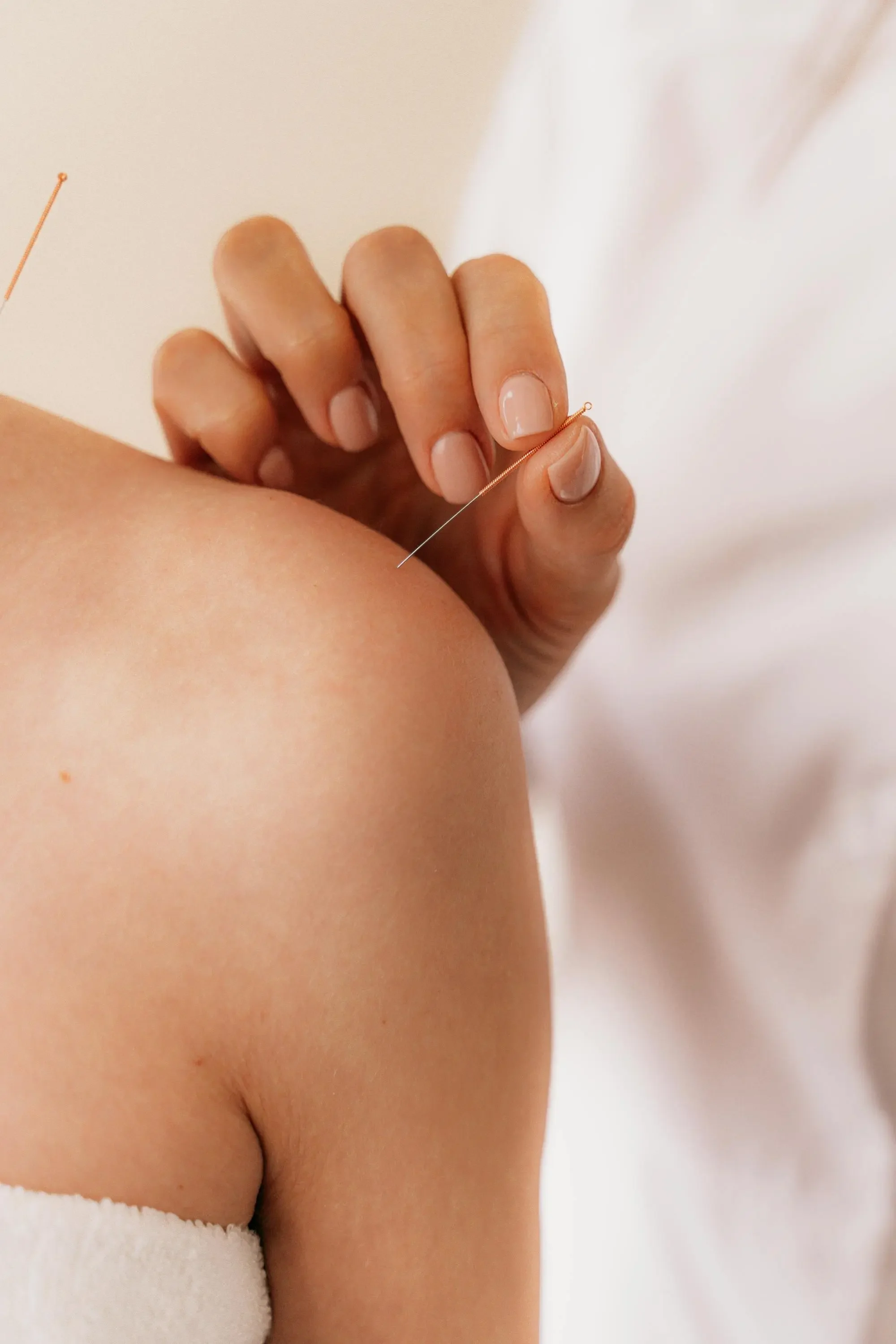
How Acupuncture Supports Your Cycle
Balances hormonal fluctuations naturally
Calms the Heart & mind (Shen) to reduce tension and stress.
Eases anxiety & supports your emotional wellbeing
Moves Qi, your body’s vital energy, to relieve tension, headaches & pain
Restores the dynamic balance between Yin and Yang
What the Research Says
-
This randomised controlled trial assigned women with polycystic ovary syndrome (PCOS) to low-frequency electroacupuncture, a physical exercise program, or no intervention over 16 weeks and tracked outcomes including menstrual frequency. The study reported that both electroacupuncture and exercise improved menstrual frequency compared with no intervention, with electroacupuncture showing the stronger effect in the paper’s overall conclusions. The authors also reported no short-term or long-term adverse events in the exercise group or the no-intervention group (and discuss safety across groups in the paper). As with many trials in this area, the findings are specific to women with PCOS and the intervention protocol used, so they should be interpreted as supportive evidence rather than definitive proof for all causes of irregular cycles.
Read the article (DOI):
https://doi.org/10.1152/ajpendo.00495.2010PubMed record:
https://pubmed.ncbi.nlm.nih.gov/20943753/ -
This prospective, randomized controlled clinical trial investigated whether repeated acupuncture could improve ovulation frequency in women with polycystic ovary syndrome (PCOS). Thirty-two women were randomized to receive either acupuncture with manual and low-frequency electrical stimulation or an attention control (meetings with a physical therapist), delivered twice weekly for 10–13 weeks. The primary outcomes included ovulation frequency during treatment and changes in LH secretion patterns, alongside secondary hormonal outcomes. The study reported that ovulation frequency was higher in the acupuncture group than in the control group during the treatment period, and that multiple circulating sex steroid levels decreased in the acupuncture group, while LH secretion patterns were not affected. The authors concluded that repeated acupuncture treatments resulted in higher ovulation frequency in lean/overweight women with PCOS compared with the attention control used in this study.
Read the article (DOI):
https://doi.org/10.1152/ajpendo.00039.2013PubMed record:
https://pubmed.ncbi.nlm.nih.gov/23482444/ -
This systematic review searched studies published between 2002 and 2012 and summarised clinical trials of acupuncture and herbal medicine for premenstrual syndrome (PMS) and premenstrual dysphoric disorder (PMDD). Across the included studies many participants reported meaningful symptom improvement (often described as 50% or greater reduction from baseline) and the authors noted no serious adverse events in the included interventions. The review also emphasised that the overall evidence base was limited with variability in study quality, diagnostic criteria, and outcome measures which makes firm conclusions difficult.
Read the article (DOI): https://doi.org/10.1186/1472-6882-14-11
PubMed record: https://pubmed.ncbi.nlm.nih.gov/24410911/
-
This systematic review and meta-analysis searched 15 databases through February 2016 to evaluate randomized controlled trials of acupuncture for PCOS. Across included trials acupuncture was associated with improved menstruation rate and ovulation rate compared with no acupuncture and it was also linked to changes in several hormone and metabolic markers (including LH, LH/FSH ratio, testosterone, and fasting insulin) when used alongside medication in some studies. The authors note that overall certainty was low to very low due to study limitations and they call for larger higher-quality trials.
Read the article (DOI):
https://doi.org/10.1097/MD.0000000000007066
PubMed record:
https://pubmed.ncbi.nlm.nih.gov/28591042/
-
This systematic review and meta-analysis searched 10 databases up to December 2017 and included 60 randomized controlled trials with 49 trials pooled in meta-analyses. Across studies acupuncture was associated with greater reductions in menstrual pain and related symptoms compared with no treatment and in some comparisons versus NSAIDs. Some trials also reported that benefits persisted for a short follow-up period though the authors note important limitations due to variable study quality and methodology.
Read the article (DOI): https://doi.org/10.1097/MD.0000000000011007
PubMed record: https://pubmed.ncbi.nlm.nih.gov/29879061/
-
This American College of Obstetricians and Gynecologists (ACOG) Committee Opinion provides clinical guidance on evaluating and managing period pain (dysmenorrhea) in adolescents and when to suspect secondary causes, particularly endometriosis. In its discussion of non-pharmacologic and complementary options, ACOG notes that acupuncture (alongside options such as TENS, herbal preparations, and yoga) has demonstrated improvement in dysmenorrhea in some studies, while the wider evidence base varies in quality. The guidance also sets out a practical clinical pathway: when symptoms fit primary dysmenorrhea, empiric treatment should be started, and if there is no clinical improvement within 3–6 months, clinicians should investigate secondary causes and adherence, with endometriosis considered in persistent, clinically significant cases.
ACOG guidance page:
https://www.acog.org/clinical/clinical-guidance/committee-opinion/articles/2018/12/dysmenorrhea-and-endometriosis-in-the-adolescentRead the article (DOI):
https://doi.org/10.1097/AOG.0000000000002978PubMed record:
https://pubmed.ncbi.nlm.nih.gov/30461694/ -
This study used resting-state fMRI in 23 women with PMS, scanning before and after a short session of electroacupuncture at SP6, and reported changes in regional brain activity measures. The authors interpret this as neuroimaging evidence that acupuncture stimulation at SP6 may influence neural activity patterns associated with PMS. This is best used as mechanism-oriented support rather than direct proof of symptom improvement.
Read the article (DOI):
https://doi.org/10.3389/fnhum.2018.00104PubMed record:
https://pubmed.ncbi.nlm.nih.gov/29904344/
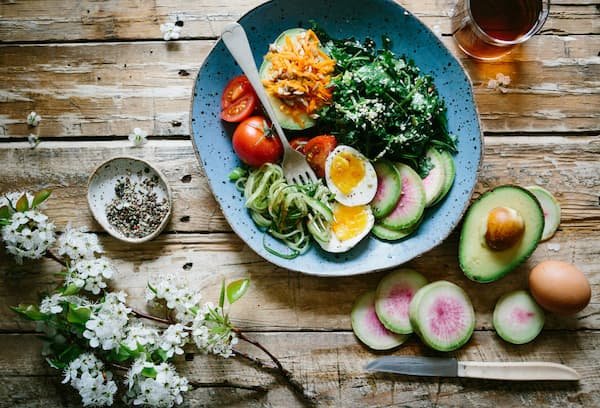
Nutritional Advice
Because acupuncture supports the whole body, menstrual cycle care works best when it is combined with daily nourishment and steady habits. The food you eat can influence energy, mood, cramps and how smoothly your cycle flows. Click the button below to explore guidance on nourishing your body with mindfulness and balance to support a healthier cycle.