

Endometriosis & PCOS
Endometriosis and PCOS are not just labels to live around.
They are often signs that the body needs to be taken seriously.
In Traditional Chinese Medicine, symptoms associated with endometriosis and PCOS are understood through patterns of imbalance that affect the smooth flow of Qi (vital energy), Blood and fluids throughout the body. Pain, bloating, irregular periods, fatigue, mood changes, digestive discomfort and hormonal disruption are not viewed as isolated problems, but as part of a wider picture of the body’s internal rhythm and communication. Rather than focusing on one symptom alone, Traditional Chinese Medicine takes a holistic approach, looking at how the menstrual cycle, nervous system, digestion, sleep and emotional wellbeing are all connected.
At NRQi Studio in Winchmore Hill, North London, treatments including Acupuncture, Tui Na massage, Electro-acupuncture and Auricular Acupuncture are used alongside tailored nutritional and lifestyle guidance to support women living with endometriosis and PCOS. Each treatment plan is carefully tailored to your unique constitution, symptoms and cycle history, with the aim of easing discomfort, supporting hormonal balance and helping you feel more at home in your body.
For many women, living with endometriosis or PCOS means not only managing difficult symptoms, but also navigating the disappointment of not feeling fully heard. Pain may be brushed aside, concerns may be minimised and the emotional weight of living with an ongoing condition can be overlooked. At NRQi Studio, your experience matters!! You are given the time and space to feel listened to, understood and supported, with treatment that is tailored to your individual needs. Through acupuncture and a compassionate, whole-person approach, women can begin to feel more grounded, more cared for and more trusting of their bodies again.
Download your free NRQi Studio Menstrual Cycle Guide below.
Download and print the NRQi Studio Period Tracker below to keep track of your cycle. Complete the chart and bring it with you to your appointments. This enables me to have a very clear understanding of how I can support you & your cycle.

Endometriosis Support
-
Pelvic pain, especially around your period
Heavy, painful or exhausting periods
Pain during or after sex (dyspareunia)
Bloating or digestive discomfort
Lower back pain
Fatigue
Pain when opening your bowels or passing urine, especially during your period
-
Speak to your GP if you suspect endometriosis or your symptoms are affecting daily life
Ask about referral to a gynaecologist for further investigation and support
You may be offered pain relief, hormonal treatment, scans or further diagnostic assessment
Endometriosis UK offers trusted information, a support helpline, and support groups for people living with endometriosis
Support from complementary care, including acupuncture, may also help some women manage pain and improve wellbeing
It's About Time — a UK campaign raising awareness and improving understanding of endometriosis symptoms and diagnosis
EndoSure — a non-invasive test being developed to help support earlier detection of endometriosis.
-
Use heat and rest during flare-ups where possible
Choose gentle movement such as walking, stretching or yoga if it feels supportive
Focus on regular meals and anti-inflammatory, nourishing foods
Prioritise sleep and recovery
Reduce stress where you can through rest, breathwork or relaxation practices
Track your cycle, symptoms, and triggers to better understand patterns
PCOS Support
-
Irregular or missing periods
Difficulty with ovulation or conception
Acne or oily skin
Increased facial or body hair
Hair thinning
Weight changes
Fatigue and energy dips
Cravings or blood sugar imbalance
Mood changes or anxiety
-
Verity — the UK PCOS charity, offering reliable information, webinars and online peer support.
NHS GP support — a good starting point for symptoms, blood tests and possible scan referral.
Specialist care — support from a gynaecologist or endocrinologist if needed.
Private assessment — available through private women’s health, hormone or fertility clinics across the UK.
-
Nourish your body with balanced, regular meals
Move in a way that feels supportive, not exhausting
Create space for rest and stress regulation
Prioritise sleep and recovery
Build awareness of your cycle and patterns (NRQi Studio Period Tracker)
Focus on small, sustainable changes
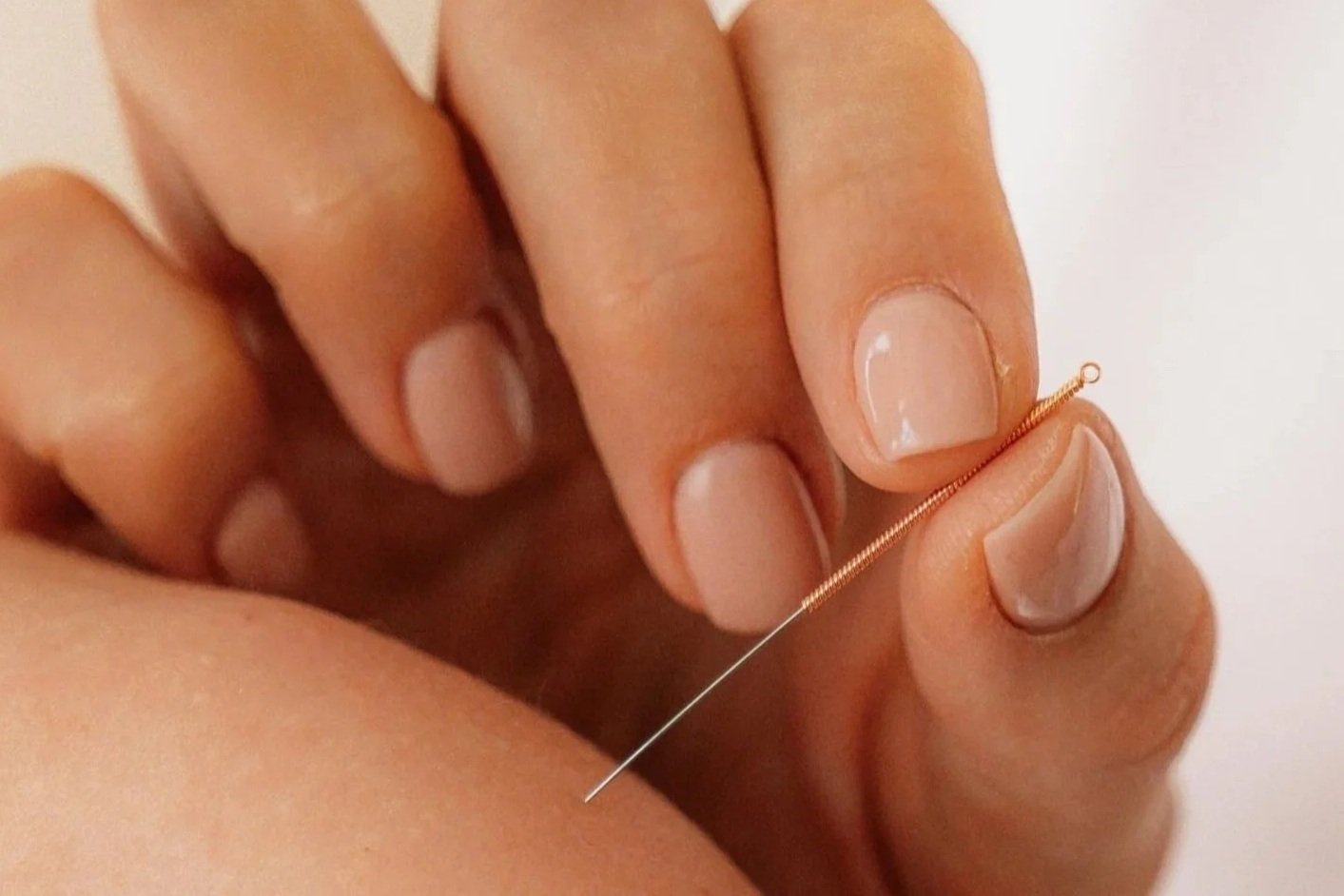
Acupuncture supports your symptoms by working with your body, not against it!
Support
Acupuncture…
Offers gentle support for hormonal balance and cycle health
Helps ease pain, tension and stagnation within the body
Calms the mind and nervous system during times of stress and overwhelm
Supports emotional wellbeing with a holistic approach
Encourages greater harmony, steadiness and ease throughout the cycle
What the Research Says
-
This randomised controlled trial assigned women with polycystic ovary syndrome (PCOS) to low-frequency electroacupuncture, a physical exercise program, or no intervention over 16 weeks and tracked outcomes including menstrual frequency. The study reported that both electroacupuncture and exercise improved menstrual frequency compared with no intervention, with electroacupuncture showing the stronger effect in the paper’s overall conclusions. The authors also reported no short-term or long-term adverse events in the exercise group or the no-intervention group (and discuss safety across groups in the paper). As with many trials in this area, the findings are specific to women with PCOS and the intervention protocol used, so they should be interpreted as supportive evidence rather than definitive proof for all causes of irregular cycles.
Read the article (DOI):
https://doi.org/10.1152/ajpendo.00495.2010PubMed record:
https://pubmed.ncbi.nlm.nih.gov/20943753/ -
This Cochrane systematic review evaluated the effectiveness and safety of acupuncture for pain in endometriosis. The review concluded that the evidence was limited, based on the results of only a single study that met the inclusion criteria, and that larger, better-designed trials were needed before firm conclusions could be drawn. This remains an important reference point because it shows how cautious earlier evidence syntheses were before the newer 2023 studies appeared.
Read the article (DOI): 10.1002/14651858.CD007864.pub2
PubMed record: https://pubmed.ncbi.nlm.nih.gov/21901713/ -
This prospective, randomized controlled clinical trial investigated whether repeated acupuncture could improve ovulation frequency in women with polycystic ovary syndrome (PCOS). Thirty-two women were randomized to receive either acupuncture with manual and low-frequency electrical stimulation or an attention control (meetings with a physical therapist), delivered twice weekly for 10–13 weeks. The primary outcomes included ovulation frequency during treatment and changes in LH secretion patterns, alongside secondary hormonal outcomes. The study reported that ovulation frequency was higher in the acupuncture group than in the control group during the treatment period, and that multiple circulating sex steroid levels decreased in the acupuncture group, while LH secretion patterns were not affected. The authors concluded that repeated acupuncture treatments resulted in higher ovulation frequency in lean/overweight women with PCOS compared with the attention control used in this study.
Read the article (DOI):
https://doi.org/10.1152/ajpendo.00039.2013PubMed record:
https://pubmed.ncbi.nlm.nih.gov/23482444/ -
This systematic review and meta-analysis searched 15 databases through February 2016 to evaluate randomized controlled trials of acupuncture for PCOS. Across included trials acupuncture was associated with improved menstruation rate and ovulation rate compared with no acupuncture and it was also linked to changes in several hormone and metabolic markers (including LH, LH/FSH ratio, testosterone, and fasting insulin) when used alongside medication in some studies. The authors note that overall certainty was low to very low due to study limitations and they call for larger higher-quality trials.
Read the article (DOI):
https://doi.org/10.1097/MD.0000000000007066
PubMed record:
https://pubmed.ncbi.nlm.nih.gov/28591042/
-
This systematic review and meta-analysis searched 10 databases up to December 2017 and included 60 randomized controlled trials with 49 trials pooled in meta-analyses. Across studies acupuncture was associated with greater reductions in menstrual pain and related symptoms compared with no treatment and in some comparisons versus NSAIDs. Some trials also reported that benefits persisted for a short follow-up period though the authors note important limitations due to variable study quality and methodology.
Read the article (DOI): https://doi.org/10.1097/MD.0000000000011007
PubMed record: https://pubmed.ncbi.nlm.nih.gov/29879061/
-
This systematic review and meta-analysis searched major databases and trial registries up to February 2023 and included 6 studies involving 331 participants. Across the included studies, acupuncture was associated with clinically relevant improvements in endometriosis-related pelvic pain, with some evidence of benefit for menstrual pain and health-related quality of life as well. The authors concluded that acupuncture should be considered a potential treatment intervention for endometriosis-related pain, but they also noted important limitations including the small number of studies, modest sample sizes, and low to moderate certainty of evidence.
Read the article (DOI): 10.1016/j.imr.2023.101003
PubMed record: https://pubmed.ncbi.nlm.nih.gov/38033648/
Nutritional Advice
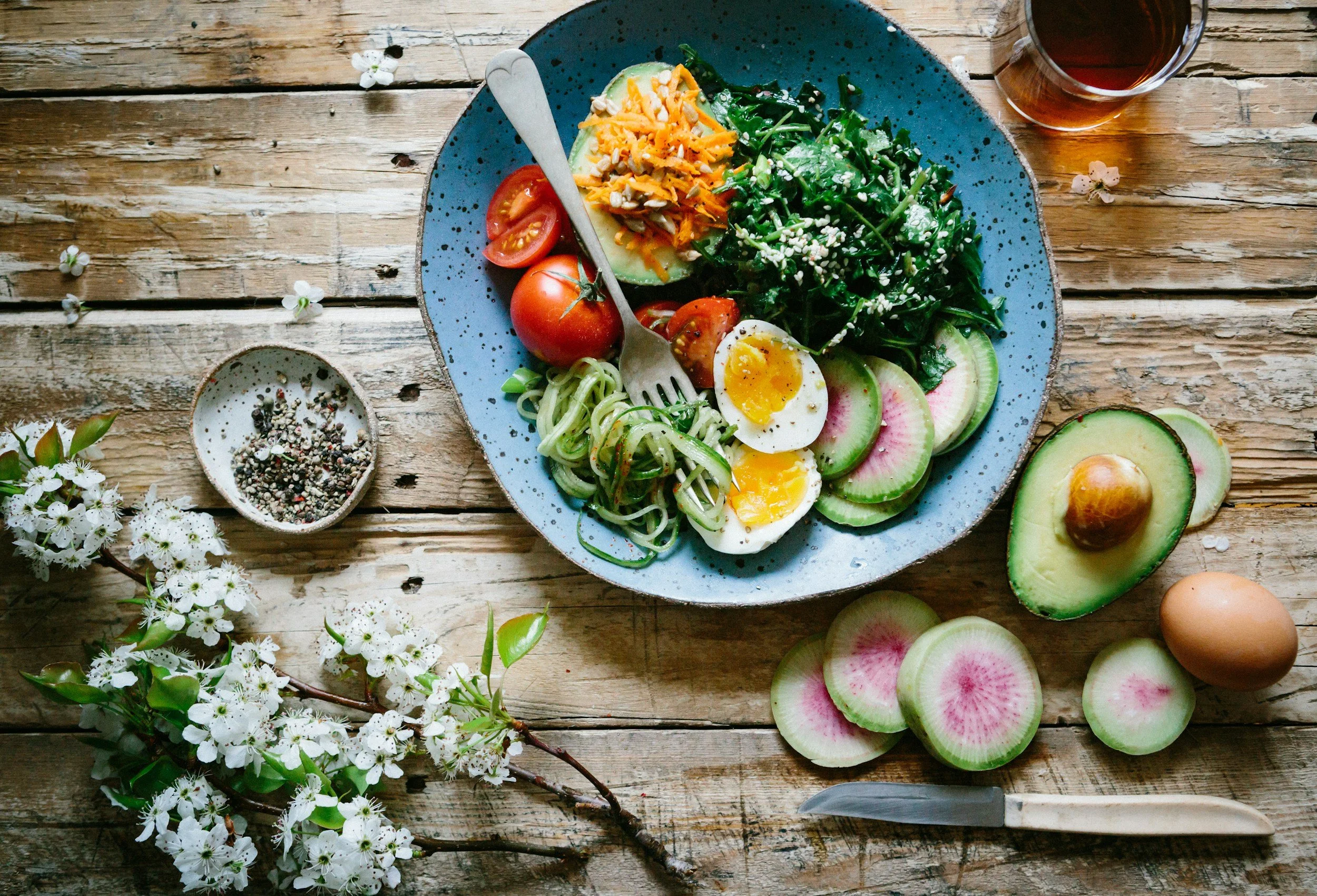
Because acupuncture supports the whole body, menstrual cycle care works best when it is combined with daily nourishment and steady habits. The food you eat can influence energy, mood, cramps and how smoothly your cycle flows. Click the button below to explore our guidance on nourishing your body with mindfulness and balance to support a healthier cycle.